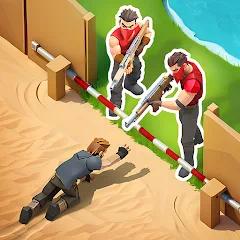
Desert City: Lost Bloom


Overview
Desert City: Lost Bloom, developed by Hot Siberians, is a post-apocalyptic strategy simulation title that fuses settlement building, survival management, and active vehicle driving. Set against an arid wasteland reminiscent of classic post-nuclear dieselpunk fiction, the game assigns players the role of a convoy leader working to establish a sustainable haven while attempting ecological restoration. The overall gameplay framework mandates fortifying a base, managing scarce natural resources, maintaining survivor well-being, and executing tactical expeditions across hostile desert terrain.
What distinguishes Desert City: Lost Bloom from traditional 4X strategy titles is its multi-layered mechanical integration. The opening sequence features direct truck driving action where players steer armored vehicles to destroy pursuing raiders. Once a settlement site is secured, the gameplay shifts to resource logistics, managing survivor stamina, hydration, and task assignments across workshops, water wells, and greenhouses. Additionally, the developers embedded a merge puzzle grid into the crafting pipeline, enabling players to synthesize higher-tier tools and building components by combining lower-tier items on an interactive grid.
This genre synthesis creates an engaging gameplay rhythm. When base construction cooldowns are active, players can engage in driving missions or solve merge puzzles to gather construction schematics. However, the title's economic design incorporates significant time-gated resource walls. Upgrading specialized infrastructure or recruiting elite hero units requires extensive investments of soft currency or expenditures of hard currency diamonds. Furthermore, players encounter periodic pop-up prompts urging alliance membership and shop purchases, which can interrupt strategic planning sessions.
Pros & Cons
Distinct post-apocalyptic setting combining ecological restoration with tactical survival mechanics.
Hybrid genre design blending vehicle combat, base management, and merge-style grid puzzles.
Granular worker management requiring active monitoring of survivor hydration, stamina, and job roles.
Deep upgrade trees for battle trucks, defensive gates, and resource processing facilities.
Hero recruitment system featuring unique wasteland mercenaries with specialized tactical skills.
Offline resource gathering that continues generating core materials while the application is closed.
- ✕
Monetization gates that significantly slow late-game settlement expansion without microtransactions.
- ✕
Frequent pop-up notifications urging alliance joining that temporarily obstruct building menus.
- ✕
Steep resource cost increases between early-stage and mid-stage base upgrades.
- ✕
Onboarding tutorials provide minimal guidance regarding merge puzzle resource optimization.
Download
 Get it on Google Play
  Get it on App Store
 FAQs
What function does the battle truck serve in Desert City: Lost Bloom?
The truck acts as a controllable combat vehicle during getaway driving sequences and serves as the primary transport unit for scavenging expeditions.
How do merge mini-games contribute to base building?
Completing grid-based merge puzzles generates rare tools, technical schematics, and bonus materials that bypass standard resource production timers.
What happens if survivor hydration and stamina metrics drop too low?
Depleted survivor metrics cause decreased facility work output, elevated risk of internal unrest, and potential worker desertion.
Can players attack hostile bandit outposts?
Yes, players assemble combat squads led by recruited hero characters to clear marauder bases and claim strategic territory.
Is Desert City: Lost Bloom supported on PC platforms?
The application is fully compatible with Windows PC hardware via Google Play Games, featuring optimized desktop controls.
Hot Reviews
Combining Mad Max-style truck driving with base management and merge puzzles creates a far more engaging experience than traditional idle simulators.
Intrusive pop-up windows asking players to join an alliance appear far too frequently, interrupting base planning menus.
Transforming an arid desert landscape into a fortified, green oasis while balancing fuel and water supplies provides great strategic fulfillment.
Building upgrade timers and material costs scale sharply in later chapters, forcing long real-time waits unless premium currency is used.