
Mondly: Learn 41 Languages
Mondly's genuinely unusual strength is that it lets you learn any of 41 languages directly from your own rather than routing through English, backed by professional native-speaker audio and tap-to-open conjugation tables. Just treat its speech-recognition and 'educational science' claims as the vendor's pitch until you've tested them on your own ear, and know that the substantive content sits behind a premium subscription that's pricier than the free, community-driven alternatives.
- Self-motivated learners who want structured, phrase-first practice across many languages — especially non-English speakers who'd rather learn directly from their own tongue than pivot through English
- Travelers and professionals after practical, topic-based vocabulary and business modules, plus anyone who stays motivated by gamified streaks, daily lessons, and leaderboards
- Learners unwilling to pay a subscription — the free tier is a limited sampler, and the substantive content is premium
- Advanced speakers who may find the structured drills repetitive, and anyone wanting live human tutoring or a fully free, community-driven tool
Overview
For most language apps, the unspoken assumption is that you already speak English — the course you get is the English-speaker’s course, and everyone else is handed a version of it secondhand. Mondly’s genuinely unusual pitch is that you don’t have to start from English at all: it lets you learn any of its 41 languages directly from any other, and for the millions of people who’d rather study Japanese from Spanish than detour through English on the way there, that single design choice is what makes it worth a look. It’s a polished, phrase-first app from Mondly by Pearson, with a 4.5 average across roughly 891,000 ratings and 10 million-plus installs — a strong satisfaction signal — but the experience the marketing implies lives largely behind a premium subscription, and a couple of its headline claims are best treated as the vendor’s pitch until you’ve tested them yourself. What we want to do here is separate what Mondly demonstrably does from what it says it does, and be honest about what the full version costs.
The 41-language, 1,320-combination system
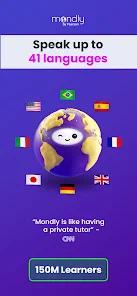
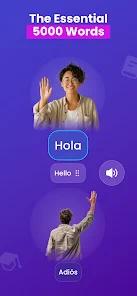
Start with the feature that genuinely sets Mondly apart, because most of its competitors simply don’t offer it. Mondly supports 41 languages as both source and target, which the company works out to 1,320 bidirectional combinations. In plain terms: your native language doesn’t have to be English. You can learn German from Japanese, Arabic from Spanish, or Korean from Italian with no intermediate English step. To a native English speaker this can sound like a technicality, but for the far larger global population that doesn’t think in English, it’s the difference between a course built for them and a course built for someone else. Very few large apps commit to this properly, and it’s the first thing we’d point a non-English speaker toward.
How the lessons actually feel
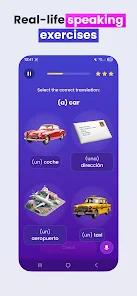
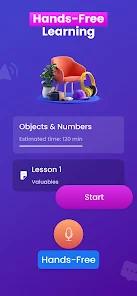
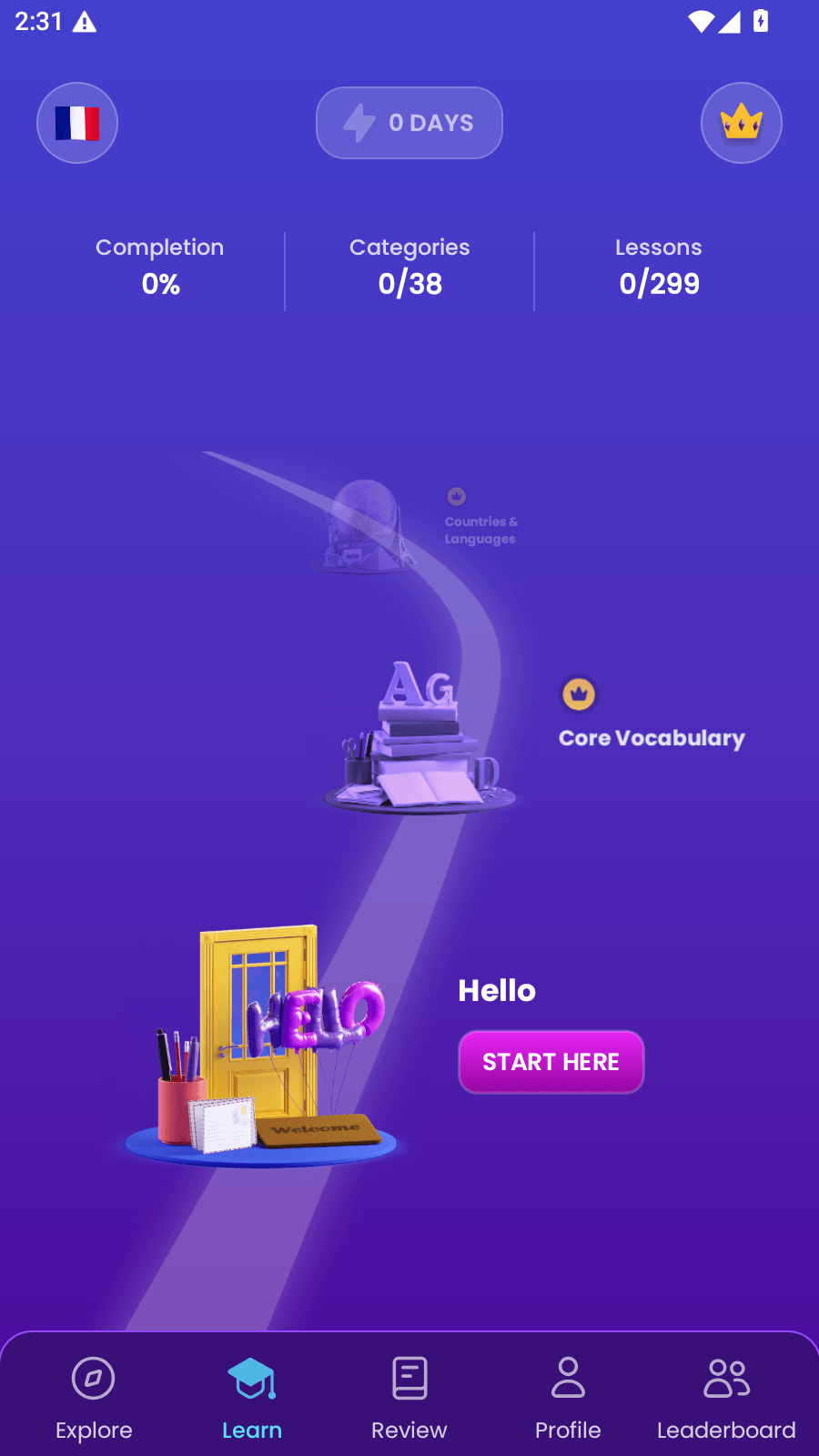
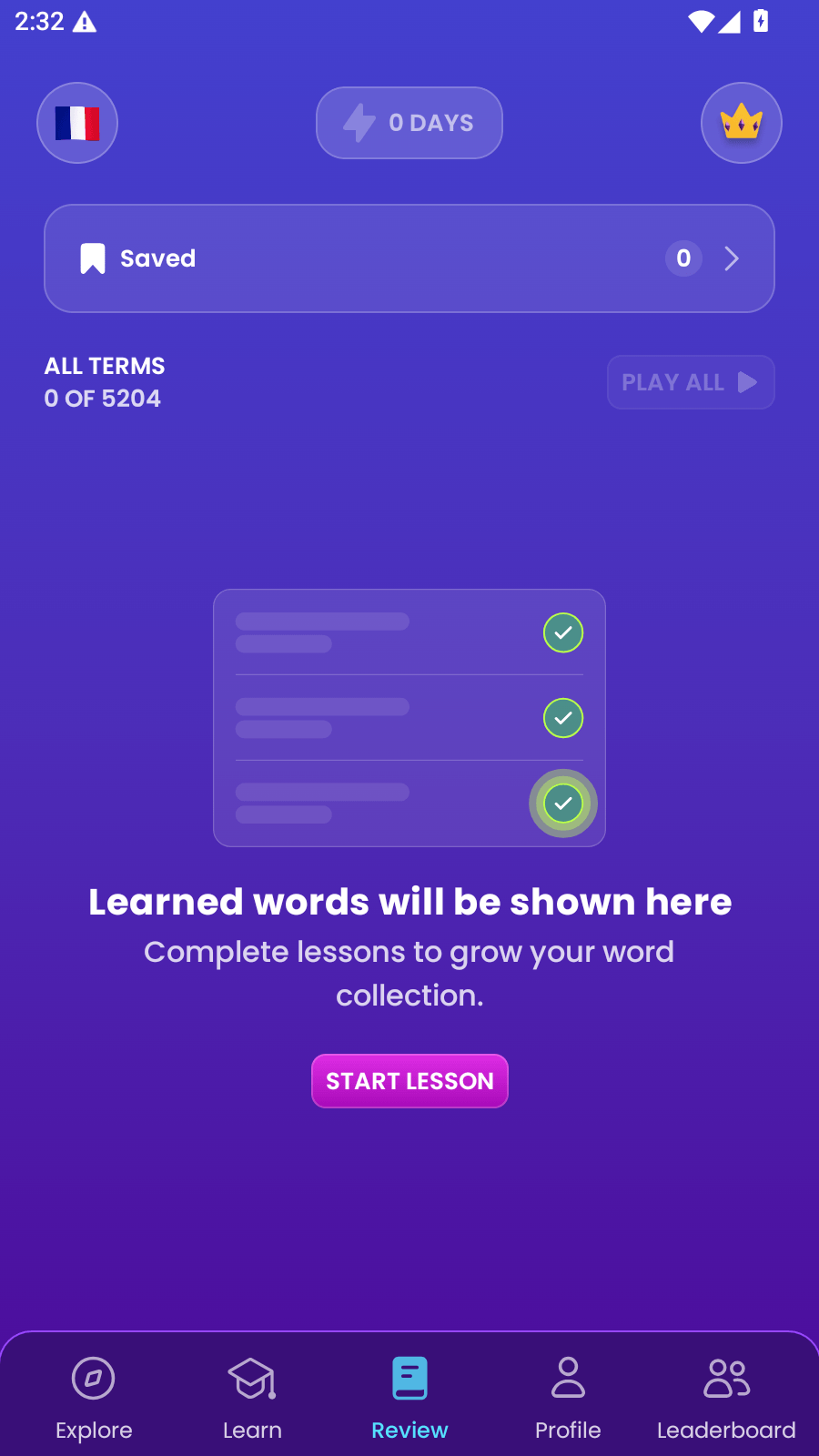
The day-to-day structure is phrase-first and topic-based. Rather than drilling isolated vocabulary in the abstract, Mondly organizes lessons around core words and useful phrases grouped into practical themes — travel, business, family — so early on you’re assembling things you might genuinely say rather than memorizing a decontextualized word list. The audio is a real strength here: dialogues are recorded by professional native speakers, and the recurring note in the app’s user reviews is precisely that clarity, with learners describing how the natural delivery trains the ear for how the language actually sounds in conversation rather than in a stiff, robotic textbook cadence.
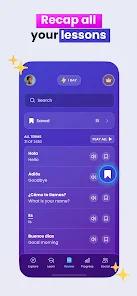
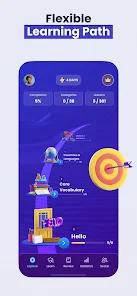
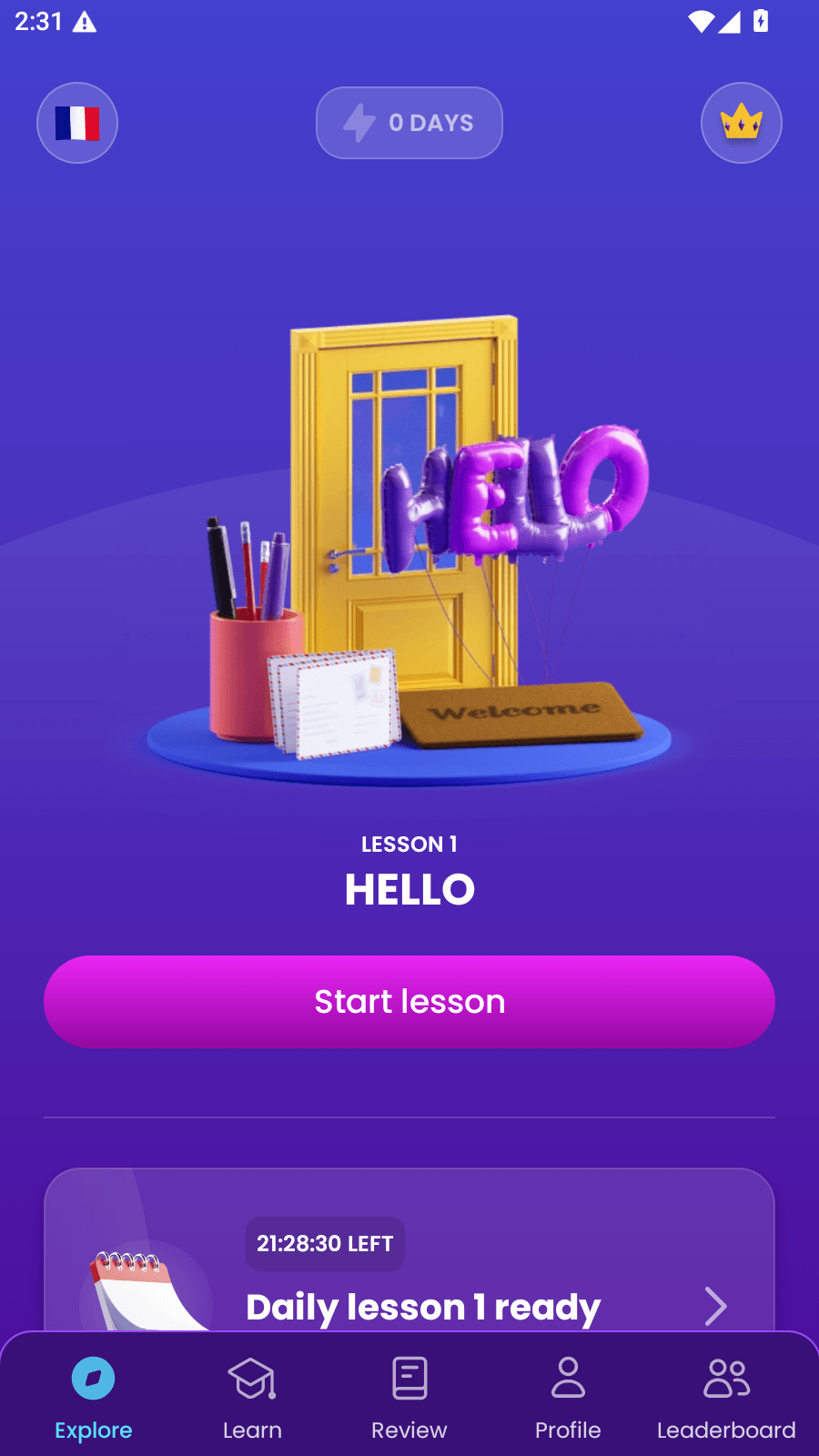
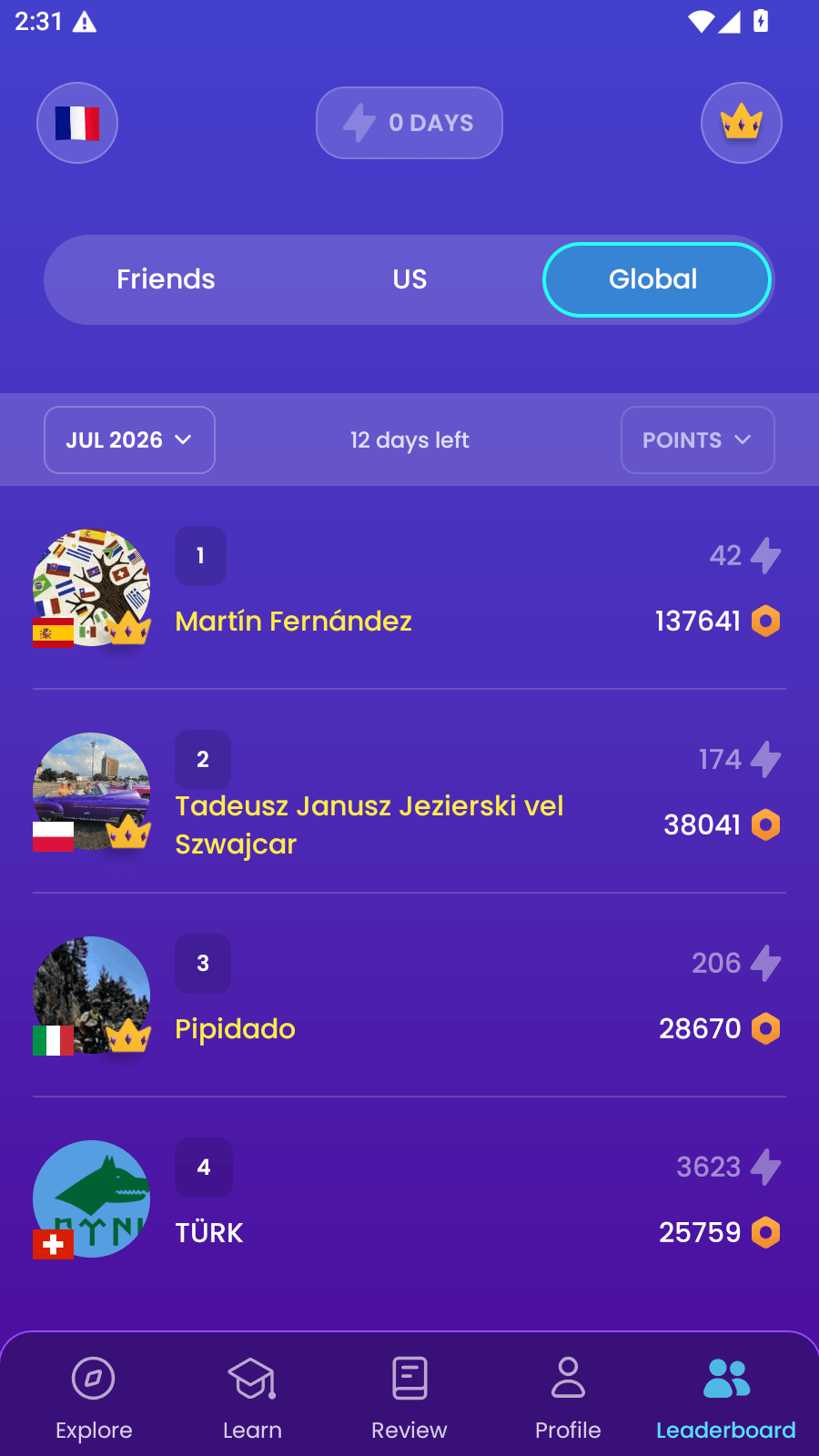
Grammar, usually the part apps quietly skate over, gets a concrete tool. Tap any verb and Mondly opens a full conjugation table — tenses, moods, the lot — which turns an intimidating grammar wall into something you can poke at in context instead of memorizing cold. It’s one of the most-praised features across the user reviews for exactly that reason: it makes conjugation feel browsable. Around all of this sits a gamified habit layer — daily lessons, weekly and monthly challenges, and global leaderboards — designed to get you back into the app tomorrow. Reviewers consistently credit the streaks and daily structure with keeping them consistent, which is quietly the hardest problem in language learning. An app you actually open every day beats a better app you abandon after a week, and Mondly’s gamification is aimed squarely at that gap.
The speech-recognition claim, attributed
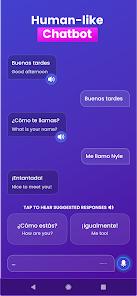
The centerpiece of Mondly’s spoken-practice pitch is what it calls conversational speech recognition. As you read phrases aloud, Mondly says it listens and compares your accent and pitch against native-speaker models, then returns immediate corrective feedback. On paper that’s a compelling loop for pronunciation, and it’s the sort of thing you normally can’t get without a human tutor. We’d flag it as the vendor’s stated capability rather than something we can independently verify, though: speech-recognition accuracy varies considerably in the real world, swayed by accents, background noise, and microphone quality, and no app’s accent scoring is a full substitute for a patient human ear. Treat it as a useful practice prompt, not a certified pronunciation grade. The same measured reading applies to Mondly’s framing that its method is built on modern educational science — that’s the company’s language for its approach, not an independently confirmed outcome, and we’d credit it as such.
For learners who want structure beyond the basics, Mondly points to two more grounded features. There are specialized business modules — the company cites more than 300 lessons aimed at professional and career vocabulary — and a set of Pearson-certified progress tests, which Mondly describes as 30 standardized assessments built with Pearson’s testing methodology to validate your level. Given Pearson’s role as the parent company, that testing pedigree is one of the more credible pieces of the whole package. Lessons also work offline, which matters for anyone who studies on a commute without reliable signal.
The cost, plainly
Here is the part the store screenshots won’t lead with. Mondly’s free tier is real but quite limited — enough to sample the interface and a daily lesson, not enough to work through the substantive content — and most of what makes the app worth using sits behind a premium subscription. Both our own database and recurring user feedback describe that subscription as expensive relative to the free, community-driven language apps many people reach for first. We won’t quote a figure, because pricing shifts by region and promotion and our source material doesn’t fix one, but go in expecting that the full course library, the advanced modules, and any heavy use are paid. If a recurring bill is a dealbreaker, this isn’t the app for you, and it’s better to know that before you invest a streak in it.
The other honest caveats
Two smaller issues deserve naming. First, the structured drill format that makes Mondly approachable for beginners can begin to feel repetitive for advanced speakers — once you’re past the practical-phrase stage, the same exercise patterns recur, and some users describe hitting a ceiling where the app stops stretching them. Second, and more concrete, there are reports of occasional sync errors causing temporary loss of streak data during device migrations: moving to a new phone can, for some users, reset the very progress-tracking the app leans on to keep you motivated. Neither is a dealbreaker on its own, but both are the kind of friction the marketing won’t mention, and the streak issue stings precisely because streaks are so central to how the app works.
How it compares
The obvious mental comparison is the well-known free, community-driven category of language apps — the big free competitor most people try before anything else. Against that world, Mondly’s trade-off is clear. It asks for money the free apps don’t, and it doesn’t carry the same sprawling community or social-learning network. What it offers in return is that bidirectional, non-English-native design, professional native-speaker audio, the tap-to-open conjugation tables, business-specific modules, and Pearson-backed testing — a more structured, phrase-and-grammar-forward course than the purely gamified free apps typically deliver. We’d frame it as the more curriculum-minded, less crowd-sourced option: you’re paying for polish and structure, and for the ability to learn from your own language rather than through English. Anyone who wants a fully free tool, or live human tutoring, should look elsewhere — those simply aren’t what Mondly is trying to be.
A word on recency
One transparency note. The Play listing in our source material carries no “updated” date, so we can’t tell you when Mondly last shipped changes, and we won’t invent one. What we can point to is scale and reception: 10 million-plus installs, a 4.5 average across roughly 891,000 ratings, and 11 screenshots, from Mondly by Pearson. A 4.5 sustained across nearly 900,000 votes is a strong, hard-to-fake satisfaction signal even without a visible update cadence — that many people don’t stay happy with an app nobody is maintaining.
Our take
Mondly is a well-made, genuinely useful language app, and it earns its 4.5 reputation on real strengths. The bidirectional 41-language system is a standout for anyone whose first language isn’t English; the native-speaker audio and tap-to-reveal conjugation tables are concretely good; and the gamified daily structure quietly keeps you coming back. We’d recommend it — with clear eyes about two things. The marquee spoken-feedback and educational-science claims are Mondly’s to prove, so lean on the pronunciation practice but verify the accent scoring against your own ear rather than trusting it as a grade. And the free tier is a sampler, not the product; the app the reviews praise is the paid one, and that subscription runs pricier than the free alternatives. It’s not for learners unwilling to pay, for advanced speakers who’ll chafe at the repetition, or for anyone who wants a free community tool or a live tutor. But for a self-motivated learner who wants structured, practical, phrase-first practice — especially one who’d rather not route their new language through English — Mondly is an easy one to recommend keeping on your phone.
How We Evaluate
We did not hands-on test this app. This review is a desk assessment grounded in Mondly's Play Store listing and description, its stated feature set, the pros and cons in our app database, its FAQ, recurring themes across its user reviews, and its 4.5 aggregate rating from roughly 891,114 ratings alongside 10M+ installs and 11 screenshots, plus its public reputation as Pearson's Mondly. Where we describe a strength or a limit, we trace it to those signals rather than to personal use. Note that the conversational speech-recognition accent evaluation and the "modern educational science" framing are the vendor's stated claims, which we attribute to Mondly rather than assert as verified, and that speech-recognition accuracy varies in real-world use. The user-sentiment lines reflect documented recurring feedback in our source material, not personal sessions.
Pros & Cons
Broad catalog supports 1,320 unique native-to-target language combinations.
High-quality immersive audio dialogues recorded by professional native speakers.
Real-time accent evaluation using advanced conversational speech recognition.
Fast grammatical support through tap-to-open verb conjugation tables.
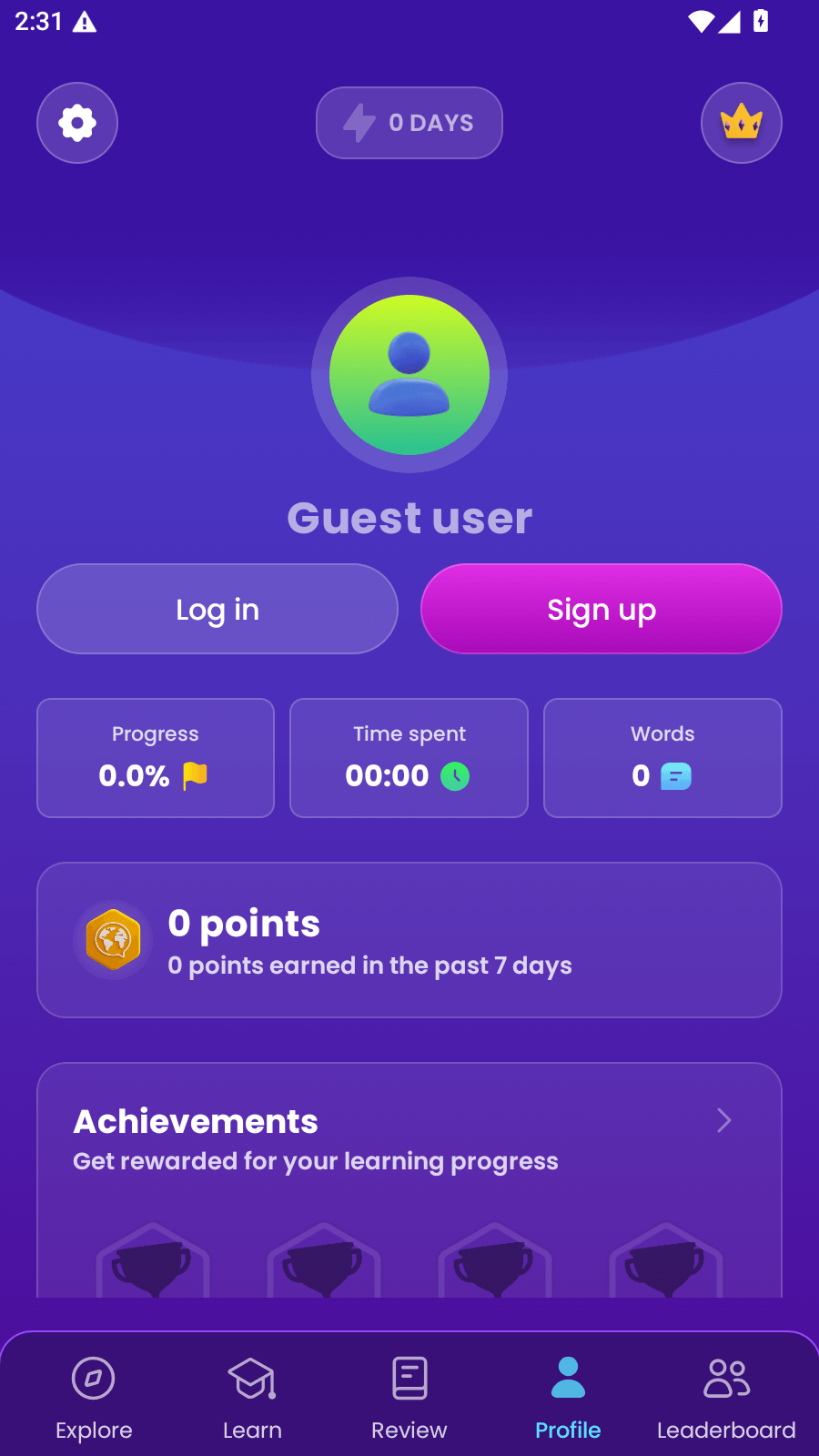
Daily micro-lessons, weekly quizzes, and monthly challenges help build steady habits.
Specialized business training modules support professional vocabulary development.
Offline lesson compatibility allows learning on the go.
- ✕
The free tier is highly limited, requiring premium access for advanced content.
- ✕
Premium subscription fees are high compared to community-driven learning tools.
- ✕
Structured conversation drills can sometimes feel repetitive for advanced speakers.
- ✕
Synchronization errors occasionally cause learners to temporarily lose historical streak data during device migrations.
Download
 Get it on Google Play
  Get it on App Store
 FAQs
Does Mondly support learning target languages without translating through English?
Yes. One of the app's key strengths is its bidirectional system. You can learn German from Japanese or Arabic from Spanish without needing an intermediate English translation.
How does the conversational speech recognition evaluate pronunciation?
The engine listens as you read phrases aloud, comparing your accent and pitch with native speaker models to provide immediate corrective feedback.
Are there specialized business language modules on the platform?
Yes. The app includes over three hundred specialized lessons designed for professional growth, career development, and workforce training.
What are the main benefits of the Pearson-certified testing feature?
This option provides thirty standardized progress tests designed with Pearson methodologies to officially validate your language skills.
Can children safely navigate the Mondly application environment?
While the main application is designed for teenagers and adults, the development team also publishes a dedicated child companion app called Mondly Kids which features age-appropriate visual themes.
Hot Reviews
Users praise the audio clarity of the lessons. Hearing native speakers engage in natural dialogues helps train the ear for real-world interactions.
Reviewers highly value the direct grammar tools. Tapping verbs to view their full conjugations instantly makes learning grammar rules far simpler.
The gamified progression system is widely popular. Daily lessons and weekly quizzes help users build consistent learning routines.