
happn: dating app
happn's 'people you actually crossed paths with' concept is a genuinely refreshing alternative to endless swiping, and its mutual-like model keeps unsolicited messages out of your inbox. The catch is baked into the design: it needs your location set to 'Always Allow' to work at all, it leans heavily on living somewhere dense and walkable, and the features most people want sit behind a subscription.
- People in dense, walkable cities who are drawn to the serendipitous 'someone you actually crossed paths with' premise and prefer it to open-ended swiping through strangers
- Users who like a mutual-consent model — where a message can only reach you after you've both liked each other — and are comfortable granting always-on location to make it work
- Privacy-conscious users unwilling to leave location on 'Always Allow' or run background GPS, and anyone in a rural, suburban, or low-density area where few other users will ever cross their path
- People who want a large matching pool independent of their daily movement, have little patience for setup freezes or unreliable notifications, or won't pay for the premium visibility features




Overview
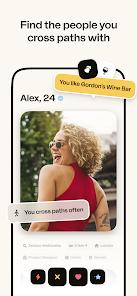
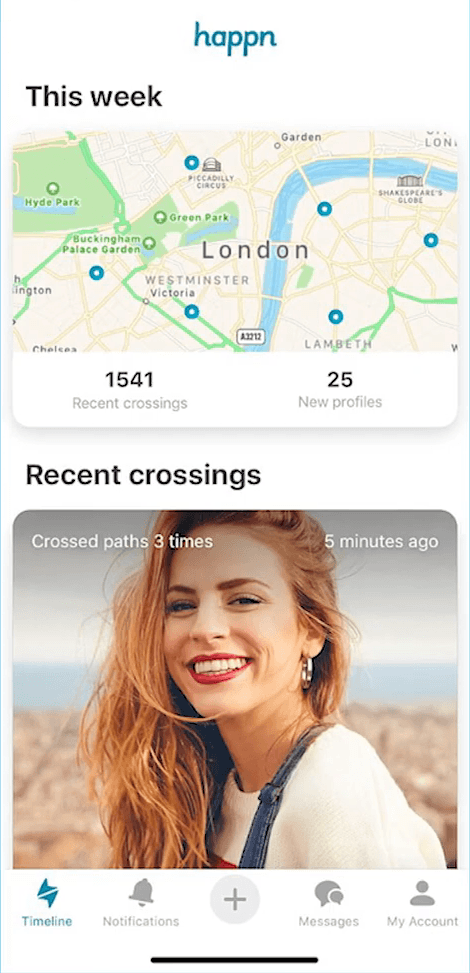
Most dating apps hand you an endless deck of strangers you’ll never see in person and ask you to swipe. happn’s pitch is the opposite, and it’s the reason the app is worth a look: it surfaces the people you’ve actually crossed paths with in real life — the person on your morning train, someone in the same coffee line, a familiar face from the park. We think that premise is genuinely refreshing, and happn pairs it with a mutual-consent model that keeps your inbox free of unsolicited messages. But the concept only works because of a trade almost every other dating app avoids: happn needs your location set to “Always Allow,” logging your movements in the background to record where you and another user overlapped. Whether that’s worth it depends heavily on where you live and how you feel about always-on location — the tension we’ll spend most of this review unpacking.
What it actually is
Strip away the framing and happn is a location-based dating app built around a single mechanic: crossing paths. It sits in Google Play’s Dating category, developed by happn, and rather than showing everyone within a set radius, it builds your feed from people you’ve physically come near while both of you had the app running in the background. happn says it has more than 140 million users worldwide — that’s the company’s own figure, not an independently verified one, so read it as a marketing claim rather than a fact. The store signals are more grounded: 100M+ installs and a 3.9 rating across roughly 1,996,356 ratings, with 8 screenshots.
The proximity concept is the real draw
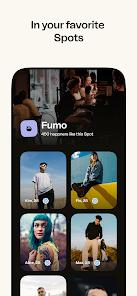
The strongest thing here is the idea itself. Instead of matching you with strangers scattered across a whole city, happn ties its feed to your daily routine, so the profiles you see are people you plausibly walked past. Several users describe this as a creative, organic alternative to the usual swipe carousel, and we agree it’s a real differentiator. There’s a subtler benefit too: by framing connections around familiar public spaces — a commute, a café, a local park — it can take some of the edge off a cold approach.
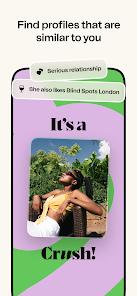
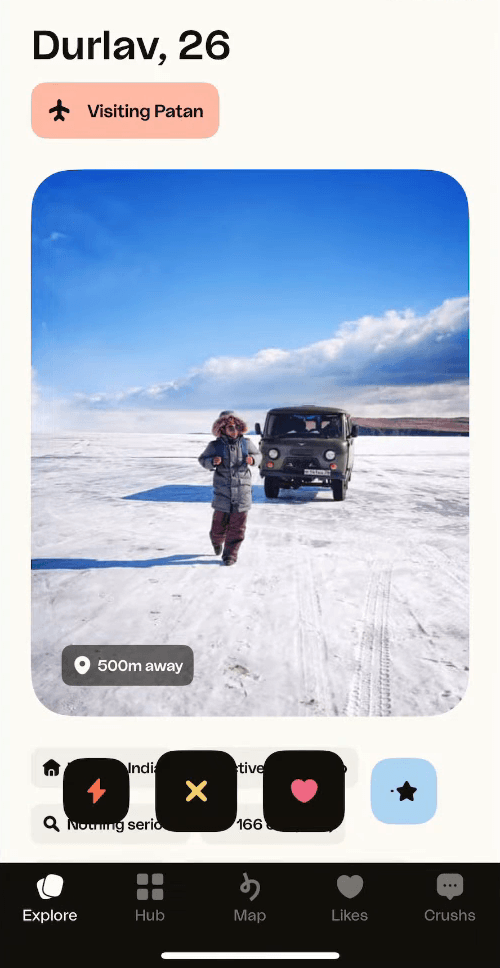
The mechanics build on that. You privately “Like” a profile, and your interest stays hidden unless the other person likes you back, forming a “Crush” that unlocks chat. Because messages only open after a mutual like, you don’t field unsolicited DMs — a real contrast with apps that let anyone drop into your inbox. There’s also a “SuperCrush,” which sends a direct message before a match to help you stand out, and “CrushTime,” a light guessing game showing four profiles, one of whom already liked you; guess right and you form a Crush instantly. Profiles support hobbies, teasers, and prompts.
The location trade-off, explained plainly
The part that deserves the clearest explanation is the location requirement, because it isn’t optional or incidental — it’s the engine the whole app runs on. happn cannot function without your location set to “Always Allow.” It logs your crossings as you move through the day, so if you deny background location, there’s simply nothing for it to work with. That’s a significant ask, and it’s worth laying out both sides honestly.
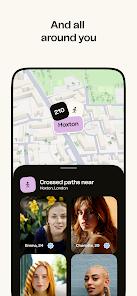
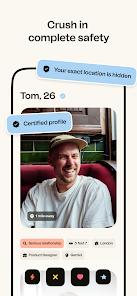
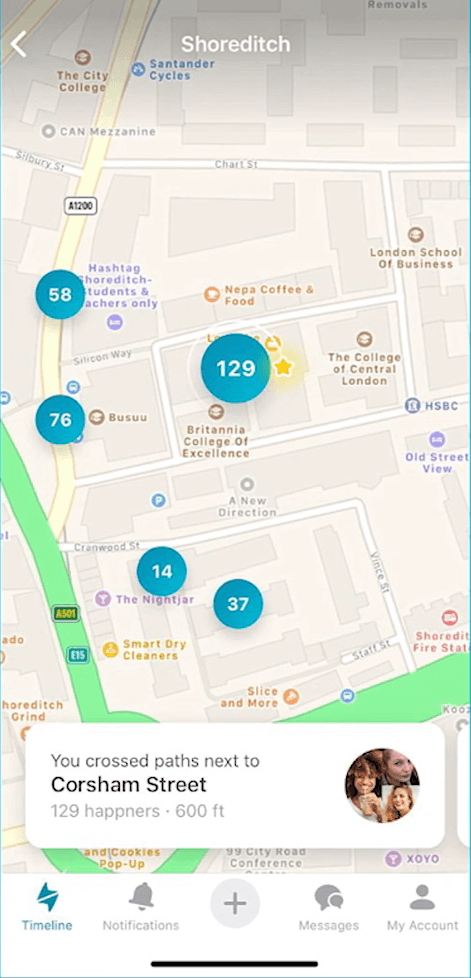
On the reassuring side, the privacy design is more considered than the always-on requirement suggests. happn does not display your real-time location to anyone. What it shows is an approximate, after-the-fact crossing area — a general sense of where you and another user were near each other, not a live map pin — and per the FAQ, it never reveals your exact home location. Paired with the mutual-like gate on messaging, the model is deliberately built to limit exposure.
On the cost side, the trade is real. Leaving GPS running in the background all day is a meaningful privacy commitment — continuous location logging — and, as users note, it drains your battery faster than an app you only open on demand. There’s no way to run happn with location off and still get the experience; the FAQ is explicit that movement is what refreshes your feed. The honest framing: happn layers a privacy-conscious presentation on an inherently location-hungry mechanic. Whether that exchange is acceptable is a personal call, and if leaving location on “Always” is a line you won’t cross, that’s a completely reasonable place to stop.
Density is the practical limitation
If the location requirement is the philosophical catch, density is the practical one — arguably the single biggest factor in whether happn works for you at all. The whole model depends on crossing paths with other users, so it lives or dies on how many are moving around near you. In a dense, walkable city, that can produce a steady, interesting feed. In a rural, suburban, or low-population area, far fewer people ever cross your path, and the feed thins out. The app acknowledges this: if you work from home and stay put, your feed stalls, and happn suggests walking or visiting local areas to refresh it. Fair enough — but it underlines the constraint that the experience is only as good as the foot traffic around you.
The monetization reality
happn is free to download and use, and you can form Crushes and chat without paying. But the features people want most sit behind a premium subscription. Seeing who has already liked you — arguably the single most-requested feature on any dating app — is a paid perk here. So are more daily SuperCrushes and the ability to schedule “invisible” browsing hours, letting you look without appearing in others’ feeds. None of this is unusual for the category, but it’s worth stating plainly: the free tier is functional, and the paid tier removes friction that happn’s own design creates.
Where the rough edges are
Beyond the structural trade-offs, there are concrete execution complaints to go in aware of. The most common technical gripe is freezing during setup: users report the app hanging during registration and profile updates, sometimes requiring a restart to get through. The second recurring theme is unreliable notifications — delayed or missing alerts for new messages and matches, which can mean a missed connection. Both show up often enough in user feedback to name plainly, though neither appears universal. Combined with the battery drain from background GPS, they’re the kind of friction that wears on you if your tolerance for rough edges is low.
How it compares
In a crowded dating-app field, happn’s position is defined by that proximity mechanic. Against the big radius-based, open-DM apps that show everyone in a geographic bubble and let messages arrive from anywhere, happn is narrower by design but arguably more considered: a mutual-like gate instead of an open inbox, and a feed tied to real-world overlap instead of a raw radius. The cost of that design is everything above: the location requirement and the density dependence. If you want the largest possible matching pool wherever you go, a radius-based app will serve you better. If the appeal of “someone I actually crossed paths with” is what draws you, happn is one of the few mainstream apps built entirely around it.
A word on recency
We’ll be straight about this: the Play Store listing carries no visible “updated” date, so we won’t guess at one. What we can point to is scale and reception — 100M+ installs, a 3.9 rating across roughly 1,996,356 ratings, 8 screenshots, and an actively operating developer in happn. A 3.9 across nearly two million votes is middling for the dating category, and it lines up with the split in the feedback: the concept is widely liked, while execution issues and density frustrations pull the average down. People love the idea and get tripped up by the practicalities.
Our take
happn does its central idea well: it turns your real-world routine into the basis for who you might meet, wrapped in a mutual-consent model that keeps unsolicited messages out and an interactive layer — CrushTime, SuperCrush, prompts — that makes it more than a bare swipe deck. The caveats are equally real. It requires always-on location and continuous background GPS to function at all — a privacy commitment and a battery cost — even though happn never shows your real-time location, only approximate past crossing areas. It leans heavily on living somewhere dense enough that other users cross your path, and the features most people want, from seeing who liked you to invisible browsing, are behind a subscription. Some users also hit setup freezes and unreliable notifications. If you won’t leave location on “Always,” live somewhere low-density, want a big pool independent of your movement, or have little patience for rough edges, this isn’t for you. But if you’re in a dense, walkable city, the serendipity of matching with someone you genuinely crossed paths with appeals, and you’re comfortable with the location trade, happn offers something the radius-based crowd can’t quite replicate.
How We Evaluate
We assess every app on the same checklist: what it actually delivers versus what it promises, how honest the pitch is, where real users hit friction, and who should look elsewhere. We did not conduct hands-on device testing of this app. This review is grounded in its own Google Play listing and description, its stated features (the crossing-paths feed, the private Like and mutual "Crush" model, SuperCrush, the CrushTime mini-game, profile prompts, and the always-on location requirement), the developer FAQ, its store signals (a 3.9 rating across roughly 1,996,356 ratings and 100M+ installs, 8 screenshots, developer happn), the recurring themes in published user reviews, and the app's public reputation as a proximity-based dating app. The "140 million users" figure is happn's own claim, not an independently verified number, and we treat it as such. Where we cite user sentiment, we are reflecting documented recurring feedback in the store material rather than personal sessions, and we do not attach star ratings to it.
Pros & Cons
Organic Proximity Matching: Helps users connect with people they pass during their daily routine, making interactions feel more natural and relevant.
Thoughtful Privacy Controls: Protects user safety by never showing exact real-time locations, only general crossing areas.
Reciprocal Communication Rules: Users only receive messages from people they have mutually liked, helping to prevent unsolicited spam.
Engaging Profile Customization: Includes hobbies, teasers, and prompts to help users showcase their interests and find compatible matches.
Fun Interactive Features: Includes the "CrushTime" guessing game, which adds a playful element to finding matches.
Reduces Approaching Anxiety: Focuses on familiar public spaces, helping to make first interactions less stressful and more comfortable.
- ✕
Dependent on User Density: The app's usefulness relies heavily on having a high concentration of active users in the immediate area, making it less effective in rural or suburban locations.
- ✕
Background Battery Drain: Keeping GPS tracking active in the background to log crossings can lead to faster battery consumption.
- ✕
App Freezes During Setup: Some users report experiencing performance issues and freezes during the initial profile setup process.
- ✕
Unreliable Notification Delivery: Users sometimes complain of delayed or missing notifications for new messages and match updates.
Download


FAQs
Does happn track and display my exact home location?
No, your exact real-time location is never visible to other users. The app only records and displays the general areas where you crossed paths with another user.
How do I get matches on happn if I work from home?
Because the app relies on movement to log crossings, staying in one place will limit the number of profiles on your feed. Taking walks or visiting local areas with stable Wi-Fi or cellular connections can help refresh your feed.
What is a SuperCrush and how is it used?
A SuperCrush is a feature that allows you to send a direct message to a profile that catches your eye before a mutual match is made, helping you stand out on their feed.
Can I use happn without keeping location services active?
No, location services must be set to "Always Allow" for the app to function properly and log crossings with other users as you move around.
How does "CrushTime" help me find matches?
CrushTime is an in-app mini-game where you are shown four profiles, one of which has already liked you. If you guess correctly, you instantly form a Crush and can begin chatting.
Hot Reviews
Many users appreciate the proximity-based design, finding it a refreshing and organic alternative to typical swiping apps for meeting nearby people.
Several reviews highlight technical issues, particularly the app freezing during registration and profile updates, which requires restarting the app.
Some users report that the app's notifications are unreliable, sometimes failing to alert them to new messages or matches in a timely manner.