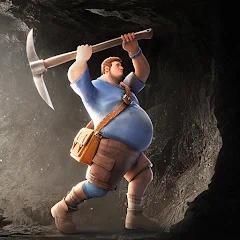
Last Fortress: Underground
A genuinely distinctive pairing: a cutaway bunker you excavate, wire and staff by profession, bolted to a wasteland map where upgraded APCs carry hero squads out on alliance business. The cost of that depth is a mid-game Control Center wall paced by long waits and specialised resources, elite heroes gated behind random gacha draws, and a systems load our records say can feel overwhelming during initial play.
- Players who want a base to lay out rather than a menu to tap — our source material records a side-scrolling, cross-sectional shelter you excavate through dirt and rock, and our FAQ records that rooms can be edited, relocated and reconnected later without losing their levels
- Players who enjoy staffing simulation — survivors are assigned by profession, with chefs, doctors, engineers and miners on record as boosting the output of the rooms they match
- Players for whom an alliance is the point, not a side activity — our records credit alliance systems with speeding construction and tech research and organising joint siege rallies, and published user feedback describes an active alliance as essential for high-level server events
- Players who like team-building as a puzzle — hero combat runs on a faction-pairing synergy system where specific combinations grant substantial stat bonuses
- Anyone who plays on a commute or a patchy connection — our FAQ records that continuous online connectivity is required, with bunker state, resource generation and alliance interactions syncing constantly with live servers
- Players who want a predictable route to the best units — our records list obtaining elite combat heroes and raising their skill caps as involving heavy random gacha mechanics
- Players who want long sessions to largely run themselves — published user feedback describes manual worker reassignment and auto-collection limitations that require repetitive micro-management during long play sessions
- Players who want to be past the setup phase in an evening — our records list Control Center upgrades that require lengthy waiting times and large amounts of specialised resources


Overview
The cutaway is the hook. Strip the rest away and this is a side-on cross-section of a bunker you dig out of dirt and rock yourself, and the decision that matters most early on is less about which hero to field than about where the Power Generator goes. That turns out to be a better problem than it sounds, because our FAQ records that facilities can be edited, relocated and reconnected afterwards without losing their room levels — explicitly so that a shelter can be redrawn for maximum power efficiency once you understand what you have actually built. A base the game expects you to redraw is a base worth thinking about in the first place.
The listing puts it in Strategy at 10M+ installs, published by LIFE GAME PTE. LTD., with eight screenshots, a Play update dated April 1, 2026, and a 3.8 average across 401,119 ratings.
What the shelter asks of you
Our source material records a two-part structure, and the underground half is the micro-level one. Players excavate downwards and construct life-support facilities: Power Generators, Satellite Nexuses, hydroponic farms, diner kitchens and water treatment units. Survivors are then assigned according to their individual professions — chefs, doctors, engineers and miners are the examples on record — and a survivor placed in a matching workplace boosts that facility’s productivity and helps hold the population’s physical and mental condition steady.
Two of the six pros our records list sit entirely in this layer, and they are the two that make the game unusual. The first credits the cross-sectional design with providing satisfying room placement and operational customisation. The second credits the survivor-to-workplace assignment with creating engaging simulation gameplay in its own right, rather than functioning as a resource tap you check once a day. Published user feedback echoes the second point directly, describing the pleasure of watching chefs cook meals and engineers maintain generators while wasteland raids are being planned elsewhere.
The layout freedom is what holds that layer together — move it, rewire it, keep the levels — and it is what turns a room list into a floor plan.
When the generators run dry
The clearest illustration of how these systems interlock sits in our FAQ. If Power Generators lack coal or lack upgraded capacity, unpowered facilities stop producing. That causes food and water shortages. Shortages lower survivor mood. And falling mood eventually causes civilian workers to strike or flee the shelter.
A four-step chain running from a fuel shortfall to a staffing shortfall is the mechanical reason the layout puzzle above has teeth: power is not a number on a bar, it is the input every other room depends on. It is also why our records call the chains multi-tiered rather than parallel: power, food, water, iron and hero mood are not five meters to top up independently.
Above the hatch
The macro half is a competitive 4X layer, and the vehicle is the connective tissue. Our source material records customised All-Terrain Armored Personnel Carriers carrying hero squads out to scout the wasteland, extract crude oil and iron, clear zombie infestations and establish forward operating camps. Our FAQ fills in what the APC actually governs: army capacity, march speed and load weight, with engine component upgrades and armed turrets allowing a player to transport more troops and deal passive damage during map engagements.
Our records list that vehicle system as a distinct strength, crediting upgrading, arming and decorating expedition vehicles with adding both visual and tactical progression — decoration and stats sitting on the same object. A fifth recorded pro covers the exploration itself: scouting wasteland ruins and reclaiming lost urban centres is credited with providing rewarding single-player progression, which matters here because it is the part of the macro layer a player can pursue without coordinating with anyone.
Heroes, factions and how you get them
Hero combat runs on a skill synergy system in which pairing specific factions grants substantial stat bonuses, and our records count those faction synergies among the game’s strengths: team compositions reward planning around passive bonuses rather than simply fielding the highest numbers available. Published user feedback is enthusiastic on this point, describing lineup-building around hero skills and faction buffs as rewarding smart positioning, and experimentation with backline damage dealers and frontline tanks as keeping combat dynamic.
The counterweight is one of our four recorded cons, and it lands on the same system. Obtaining elite combat heroes, and raising their skill caps, involves heavy random gacha mechanics. That places the ceiling of the composition puzzle behind draws rather than behind decisions, and it is the recorded fact to weigh hardest if hero collection is your reason for installing.
The alliance layer
Our sixth recorded pro covers alliances, and our records treat them as robust rather than decorative: guild systems speed up construction and tech research and organise joint siege rallies. Our source material adds the competitive side — alliances defend against surface invasions, share construction boosts, and compete for control of key municipal ruins across the region.
Published user feedback puts this more strongly than our own records do, describing an active alliance as essential for surviving high-level server events, with coordinated construction speed-ups and rallies against mutated zombie bosses producing a strong sense of teamwork. On that account the solo ceiling and the alliance ceiling are not the same height — worth knowing if you intend to run a shelter mostly alone.
Where the patience goes
Two of the four recorded cons sit here. The first is the complexity itself: managing power, food, water, iron and hero mood across multi-tiered production chains is recorded as capable of feeling overwhelming during initial play. The second is a steep mid-game progression wall, with Control Center upgrades requiring lengthy waiting times and large amounts of specialised resources. The first is recorded as an opening-hours problem; the second is recorded as a mid-game one, which means it lands on a player who is already committed.
Published user feedback adds a third pressure point, at the other end of a session rather than the start of one: survivor task management described as occasionally clunky, with manual reassignment of certain workers and auto-collection limitations requiring repetitive micro-management during long play sessions. That is a cost paid again every long session, not once during setup.
Connectivity
Our FAQ is unambiguous. Continuous online connectivity is required, with bunker state, resource generation and alliance interactions syncing constantly with live servers. For a persistent-world strategy game that is closer to a category premise than a defect: a game whose alliances rally, share boosts and contest territory in a shared world has to be live to do any of it. It remains the practical fact that decides whether this fits a commute, a flight or a thin signal.
A stability note on record
Our records list one stability con: major client patches have historically caused forced closes on specific Android software builds. It is the fourth of the four cons we hold, and the only one that is not a deliberate design cost: the complexity load, the mid-game wall and the gacha ceiling are all things the game asks of a player by design, and a forced close is not.
Who it’s not for
Anyone who needs to play without a live connection. That is the cleanest disqualifier here, and it is not a matter of degree.
It is also not for players who want a reliable path to the strongest heroes: elite hero acquisition and skill-cap progression sit behind heavy random gacha mechanics. Not for players who want depth without the setup cost — the production chains are recorded as capable of feeling overwhelming during initial play, and the Control Center wall means long waits and specialised resources in the mid-game. And not for players who want long sessions to run themselves, given the manual reassignment and auto-collection limitations published feedback describes.
Our take
The two-layer design is the substance: a cutaway shelter you dig and rewire, staffed by professions that matter, feeding APCs whose engines and turrets decide what you can carry into a wasteland where an alliance is contesting municipal ruins. Six recorded strengths cover that span, and the power-failure chain in our FAQ shows the layers are genuinely wired together rather than sharing a currency.
Our score weighs those six strengths against four cons we charge in full: an early complexity load, a mid-game wall of long waits and specialised resources, elite heroes behind random gacha draws, and forced closes on record after major patches on specific Android builds. Our rating sits at the low end of the range we normally use, and that is where the two sides actually meet — an ambitious design that asks for patience at the start, asks for it again in the middle, and puts the ceiling of its best-liked system behind a draw. The depth is real, and it does not buy the number back.
What should decide it for you is session shape. This rewards a player who checks in often, stays in an alliance and treats the shelter as something to maintain. A player who wants to sit down once and be finished will meet the timers, the reassignments and the draw ceiling in roughly that order.
How We Evaluate
We did not hands-on test Last Fortress: Underground, and no device session backs this review. The assessment rests on the game's Google Play listing and its store signals, the description on record in our own editorial database, the six pros and four cons recorded there, our FAQ entries, and the themes in published user reviews — which are real reviews left by players, quoted here as themes rather than as our own findings. Everything we describe about how the bunker, the APCs, the hero roster and the alliance systems behave is reported as recorded, not as something we watched happen. One methodology note on the feedback: the star labels attached to the published reviews we hold are not a usable signal — the set includes a detailed micro-management complaint carrying the same label as the praise — so we read those reviews for their content only and attach no score to any theme. We hold no pricing data for the premium currency, any hero draw or any pack, so we quote none, and we cannot assess frame rate, load times or how the interface feels under a thumb.
Pros & Cons
Unique Vertical Base Management: Cross-sectional bunker design provides satisfying room placement and operational customization.
Detailed Civilian Micro-Management: Assigning specific survivors to matching workplace roles creates engaging simulation gameplay.
Distinct APC Vehicle System: Upgrading, arming, and decorating expedition vehicles adds visual and tactical progression.
Rich Faction Synergies: Hero team compositions reward strategic planning based on passive faction bonuses.
Rich Post-Apocalyptic Exploration: Scouting wasteland ruins and reclaiming lost urban centers provides rewarding single-player progression.
Cooperative Alliance Mechanics: Robust guild systems speed up construction, tech research, and joint siege rallies.
- ✕
Complex Multi-Tiered Production Chains: Managing power, food, water, iron, and hero mood can feel overwhelming during initial play.
- ✕
Steep Mid-Game Progression Wall: Control Center upgrades require lengthy waiting times and large amounts of specialized resources.
- ✕
Gacha-Dependent Hero Unlocks: Obtaining elite combat heroes and upgrading their skill caps involves heavy random gacha mechanics.
- ✕
Occasional Stability Issues: Major client patches have historically caused forced closes on specific Android software builds.
Download


FAQs
How do civilian survivors differ from combat heroes?
Civilian survivors focus exclusively on shelter operations, boosting room output (e.g., faster cooking or higher power output). Combat heroes lead APC marches onto the wasteland to fight zombies, capture resource nodes, and participate in PvP battles.
What happens if the bunker power grid fails?
If Power Generators lack coal or upgraded capacity, unpowered facilities stop production. This causes food and water shortages, lowering survivor mood and eventually causing civilian workers to strike or flee the shelter.
Can room layouts be reorganized after construction?
Yes. Players can edit, relocate, and reconnect facilities without losing room levels, allowing bunker layouts to be reconfigured for maximum power efficiency.
How do APCs impact world map combat?
APCs determine army capacity, march speed, and load weight. Upgrading APC engine components and armed turrets allows players to transport more troops and deal passive damage during map engagements.
Is continuous online connectivity required?
Yes. Last Fortress: Underground is an online title where bunker state, resource generation, and alliance interactions sync constantly with live servers.
Hot Reviews
Merging underground shelter management with world map strategy is executed exceptionally well. Watching chefs cook meals and engineers maintain generators while planning wasteland raids makes for an engaging gameplay loop.
Forming APC teams around hero skills and faction buffs rewards smart tactical positioning. Experimenting with backline damage dealers and frontline tanks keeps turn-based combat dynamic.
Managing survivor tasks can occasionally feel clunky. Having to manually reassign certain workers or deal with auto-collection limitations requires repetitive micro-management during long play sessions.
Joining an active alliance is essential for surviving high-level server events. Coordinating construction speed-ups and rallying against mutated zombie bosses brings a strong feeling of teamwork.