
inDrive. Rides with fair fares
Overview
The global ride-hailing industry has traditionally relied on algorithmic pricing models that can often feel opaque to both passengers and drivers. inDrive has disrupted this model by reintroducing human negotiation into the urban services sector. With over 150 million downloads across 48 countries, inDrive is the world's second most downloaded ride-hailing app, succeeding primarily through its "Peer-to-Peer" (P2P) bidding system.
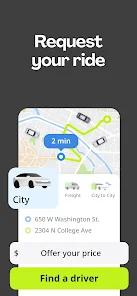
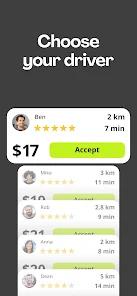
The technical core of inDrive is its bid-and-negotiate mechanism. It allows the rider to propose a fare. Nearby drivers can then choose to accept the offer, decline it, or send a counter-offer. This allows for true price discovery based on the current local environment rather than a "black box" rule. Passengers then select their driver from a list of those who responded, considering price, driver rating, car model, and estimated time of arrival. Furthermore, inDrive maintains a significantly lower commission rate—between 5% and 12%—compared to the 25% or more typically taken by competitors, allowing drivers to keep more of their earnings.
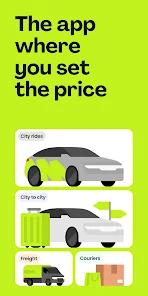
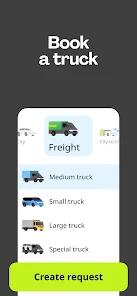
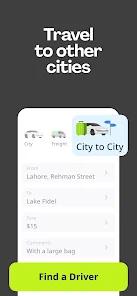
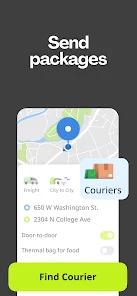
Insightful observations of inDrive's business model reveal a strategy focused on "emerging markets" and regions with high price sensitivity. The app is designed to be "light" (though recent updates have increased its size), ensuring it runs well on budget devices and weak data networks. Beyond city rides, the platform has expanded into intercity travel, courier services for packages up to 20kg, and freight logistics for moving heavy items. This "anti-unicorn" approach focuses on solving mobility needs through fair choices and ethical business practices, resonating particularly well with users in regions experiencing economic injustice. However, the human-centric model does have operational hurdles, including reports of GPS inaccuracies and a "support gap" in resolving complex disputes.
Pros & Cons
Empowers riders and drivers through a unique bidding system that allows for fair, negotiated pricing instead of algorithmic surge.
Offers industry-leading low commission rates (5-12%), which significantly increases the "take-home" pay for drivers compared to other platforms.
Gives passengers the freedom to choose their driver based on transparent criteria like car model, rating, and bid price.
Includes multiple urban service verticals, including city rides, intercity travel, door-to-door courier delivery, and freight shipping.
Highly resilient in emerging markets due to its ability to function on older Android devices and unstable data networks.
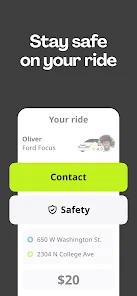
Promotes safety by allowing both riders and drivers to see each other’s ratings and trip details before the ride begins.
Allows for "Special Notes" during booking, such as traveling with a pet or having extra luggage, which drivers can see before accepting.
- ✕
The in-app GPS and mapping system can be inaccurate, occasionally mislocating the pickup point even when the pin is dropped manually.
- ✕
Customer support response times are reportedly slow, which can be frustrating when dealing with immediate trip issues.
- ✕
In some markets, "fare manipulation" by groups of drivers can lead to higher-than-average bids during peak hours.
Download


FAQs
How do I name my own fare in inDrive?
When you enter your pickup and drop-off points, the app will suggest a "Recommended Fare." You can choose to use that or type in your own amount before sending the request.
Can I use inDrive to send a package to another city?
Yes. You can use the "Courier" service for local deliveries or the "Intercity" service for travel or package transport between cities.
Is inDrive safer than a regular taxi?
The app includes several safety features, including the ability to share your live location with friends, a rating system for both parties, and 24/7 support.
Why was my bid rejected by all drivers?
If your bid is too low for the current traffic or distance, drivers may counter-offer with a higher price or ignore the request. You may need to raise your bid to find a match.
How do I pay my driver?
Payment methods depend on your local city’s settings, but most common options include cash or in-app payment systems. The fare you agree on is what you pay.
Hot Reviews
The app is great for saving money, but the map is very frustrating. It often tells the driver I’m one block away from where I actually am. I have to call the driver almost every time to explain my exact location.
I switched from other ride-hailing apps because inDrive only takes 10%. I actually make money now instead of just paying for gas and commissions. Being able to see the destination before I accept is also a huge plus for my safety.
I love that I’m not at the mercy of some "surge pricing" algorithm. I can offer what I think is fair, and a driver who is close by can say yes. It’s more of a human interaction, and I usually end up paying less.