
Amazon Alexa



Overview
The Amazon Alexa application has transcended its initial role as a hardware configuration utility to become the central nervous system of the modern smart home. In 2026, the application represents the most mature implementation of an "ambient intelligence" interface, designed to facilitate seamless interaction between users and a vast array of interconnected devices. The architecture of the app is built upon a multi-layered framework that integrates device management, media orchestration, and proactive automation through a sophisticated natural language processing (NLP) engine.
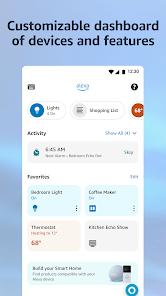
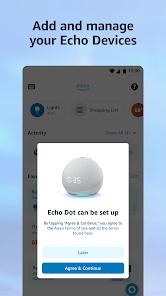
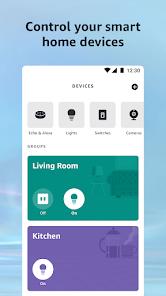
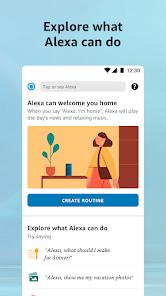
A feature breakdown of the 2026 iteration reveals a primary focus on the "Alexa+" upgrade, which utilizes generative artificial intelligence to transition the assistant from a reactive command-response system to a conversational partner. This new model is capable of handling topic pivots, understanding nuanced context, and managing interruptions during multi-turn dialogues. The app's core utility remains its device management suite, which supports a wider range of third-party hardware than any competitor, largely due to its early adoption of the Matter and Thread protocols. Users can organize devices into "Groups," create "Routines" triggered by location or environmental sensors, and manage multi-room audio with granular control over latency and synchronization.
Insightful observations of the Alexa ecosystem suggest a strategic shift toward "proactive computing." Features like "Hunches" allow the app to suggest actions—such as locking a door or turning off lights—based on historical user behavior and real-time sensor data. Furthermore, the app’s "Drop In" feature functions as a low-latency internal communication system, bridging the gap between mobile devices and Echo hardware. While Alexa dominates in smart home compatibility and audio-first interactions, it faces challenges in visual interface design and the accuracy of general-knowledge search queries. The 2026 version of the app has also been scrutinized for its increasingly cluttered home feed, which often prioritizes retail promotions and "Skill" recommendations over core utility functions.
Pros & Cons
The application maintains the industry's most extensive library of third-party "Skills" and hardware compatibility, ensuring that users are rarely locked out of a specific smart home brand.
The "Routines" engine is exceptionally robust, allowing for complex, multi-stage automations that can be triggered by location, time, or specific device states.
Integration with Amazon’s retail infrastructure provides a unique utility for voice-activated shopping, order tracking, and delivery notifications that competitors cannot match.
The transition to the "Alexa+" AI model has significantly improved the assistant's ability to handle natural language, making interactions feel less scripted and more conversational.
Multi-room music management is highly optimized, allowing for synchronized playback across disparate Echo devices with minimal setup friction.
Comprehensive communication tools, including "Drop In" and free messaging between Alexa-enabled devices, enhance the app's value as a household intercom.
Robust privacy controls allow users to view and delete voice recordings and manage data sharing preferences with a high degree of transparency.
- ✕
The user interface has become increasingly congested with promotional content, making it difficult for users to quickly access routine settings or device controls.
- ✕
Connectivity stability remains an issue for some users, with reports of devices intermittently dropping from the network, requiring manual reconnection via the app.
- ✕
The app's performance can lag on mid-range devices due to the heavy background processing required for real-time monitoring and AI features.
Download


FAQs
How does the Alexa app handle user privacy and voice data?
The app encrypts all data in transit and provides a dedicated privacy dashboard where users can review and delete their voice history. Users can also opt-out of having their recordings used to train the AI model.
Can the Alexa app control devices when I am away from home?
Yes, as long as both the mobile device and the smart home hardware have an active internet connection, the app functions as a remote bridge for all connected devices.
What is the difference between a Routine and a Skill?
A "Skill" is a third-party application that adds a specific capability to Alexa, whereas a "Routine" is a user-defined automation that triggers a sequence of actions.
Does the app support the Matter protocol?
Yes, the 2026 version of the Alexa app includes full support for Matter, enabling simplified setup and local control for a wide array of compatible smart home products.
Can I use the Alexa app without Amazon Echo hardware?
The app can function as a standalone mobile assistant, allowing users to manage lists, set reminders, and control smart home devices directly from their smartphone.
Hot Reviews
Users frequently cite the app's ability to unify hundreds of disparate smart home brands as its greatest strength, noting that the "Routines" feature has become essential to their daily schedules.
Following the Alexa+ update, reviewers have noted a marked improvement in the assistant's personality and its ability to follow complex, multi-part requests without needing the "wake word" for every turn.
A recurring theme in recent feedback is the intrusive nature of Amazon's internal advertisements, which many users feel have made the app's home screen less functional.
Families with large homes often highlight the "Drop In" feature as a critical tool, praising the app for its low latency and clear audio quality.