
Tile Club - Match Puzzle Game
A triple-tile matcher with an unusually long runway — our records put it at more than 10,000 levels with a 50-person club layer and worldwide tournaments over the top, and the Play Store average is 4.9 across 676,014 ratings. Two documented frictions are worth settling before you install: advertising that users report after almost every level, and reports of progress being lost after the app is closed.
- Players who want a runway they will not finish — our database records 10,000+ levels and calls it years of gameplay even for dedicated players
- People who play on planes, trains and patchy connections: our database's pros record that the core puzzle mechanics do not require an internet connection, and a recorded feedback theme calls the ads far too many unless the game is played offline
- Anyone who wants company in a normally solitary genre — our FAQ records a Clubs tab that unlocks at a certain level and lets you join teams of up to 50 people, and our database credits real collaboration and chat
- Competitive players who want events rather than just levels: our database records tournaments where players test their speed against a worldwide user base for premium rewards
- Players who want the game in their own language — our FAQ records 29+ languages, including Simplified Chinese, Japanese and several European languages
- Anyone whose priority is uninterrupted quiet — our database's first-listed con records users frequently complaining that ads appear after almost every level, and a recorded feedback theme calls them far too many unless the game is played offline
- Players who would be badly set back by losing a long progression: our database records critical bugs where players lose 50+ levels of progress when closing the app, and a recorded feedback theme describes long-term players being set back hundreds of levels
- Anyone who needs a responsive human answer when something goes wrong — our database records help requests through the in-app form often going unanswered or receiving generic bot responses
- Players whose main draw would be the tournaments — our database records that high-volume events can cause servers to lag or fail, with competitive rewards lost when that happens
- Anyone who intends to spend nothing and still push deep into the Advanced levels: our source material characterizes boosters and the Zen Pass as almost necessary for the difficulty spike found there





Overview
Our view is that the case for Tile Club is broad and the case against it is narrow but heavy, and the two barely overlap. On the broad side, our records hold more than 10,000 levels, a 50-person club layer, worldwide tournaments and a Play Store average of 4.9 across 676,014 ratings. On the narrow side sit two recorded frictions that have nothing to do with the matching itself: advertising users report after almost every level, and reports of progress vanishing after the app is closed.
What the game asks you to do, exactly
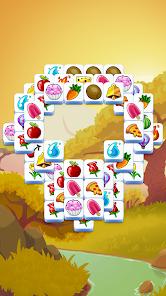
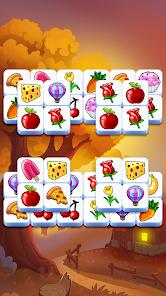
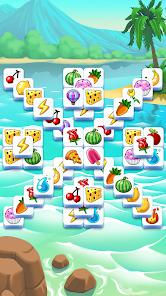
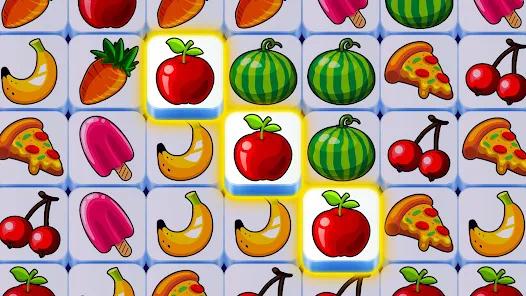
Our source material describes the core mechanic in a single line: find and tap three identical tiles, which move to the bar and clear the board. That is the whole of what our data records about the rules, and we stay inside it.
Two aids are on record. Our FAQ answers the “what if I get stuck” question with boosters: a “Lightning Bolt” that clears tiles, and an “Undo” that reverses your last move.
On the shape of the difficulty, our database’s pros describe a curve rather than a wall: progression from simple tutorials to complex, multi-layered layouts requiring genuine strategy. Our source material describes the later stretch of that curve differently, and we take that up under monetization.
Ten thousand levels, and the trip around them
Volume is what our own database leads with: 10,000+ levels, effectively years of gameplay for even the most dedicated players. Our source material reads that library as a retention strategy in a market it calls crowded, and sets out a dual-loop design — a solo loop of levels and individual accomplishment, and a social loop built on clubs and tournaments.
Over the solo half sits a meta-game our source material calls “World Travel”, in which completing levels unlocks new geographic backgrounds. The presentation is a recorded strength: our database credits 3D tiles and themes running from fruits to animals to cakes as a vibrant, polished visual experience.
That polish is recorded as scaling across hardware: our database lists multi-platform optimization working equally well on high-resolution iPad screens and smaller smartphones, and our FAQ adds compatibility with M1, M2 and M3 Macs through the App Store. Localization is documented too — 29+ languages, including Simplified Chinese, Japanese and several European languages.
The club layer, and what it depends on
Our FAQ sets out the entry point: at a certain level — it does not say which — a Clubs tab unlocks, letting you join teams of up to 50 people. Our database calls the integration meaningful, crediting real collaboration and chat for making a typically solitary genre feel communal, and separately records global events where players test their speed against a worldwide user base for premium rewards.
The cost of building that half on servers is documented in the same place: our database records that high-volume tournaments can cause the servers to lag or fail, leading to lost competitive rewards. We hold no rate or frequency for that. Separately, our database’s pros record that the core puzzle mechanics need no internet connection, which it frames as making the game suitable for travel.
Ads, coins, boosters and the Zen Pass
Plainly: free to download and play, with advertising and in-app purchases. Our FAQ states that directly, giving the purchase scope as coins and boosters. Our source material describes monetization as heavily focused on boosters — Lightning Bolts — and a “Zen Pass” subscription. The two accounts do not line up, since the FAQ’s list names no subscription, and we report both rather than merging them. No price appears anywhere in our data, so we quote none, and we hold no record of an ad-removal purchase — an absence in our material rather than a confirmed absence in the game.
The advertising is our database’s first-listed con: users frequently complain that ads appear after almost every level, disrupting the Zen atmosphere the game is built around. A recorded feedback theme carries both halves in one breath — the game described as the best of its kind, the ads as far too many, unless it is played offline. That is the only workaround our records name.
One further claim needs careful attribution. Our source material states that boosters and the Zen Pass are “almost necessary for navigating the spike in difficulty found in the ‘Advanced’ levels”. That is our own analytical write-up’s characterization, relayed here at its exact scope. It is not a finding of ours and we do not adopt it: our material records no mechanism behind it, we have not measured the difficulty curve, and we make no claim about why the spike is there or what it was designed to do.
About the “Zen”
Our source material records that the high-definition landscapes, floral patterns and soothing soundscapes are a functional design choice intended to induce a flow state, and that the developer claims this can sharpen the mind and reduce daily stress. We have verified no cognitive or stress-relief effect from this game, hold no research on it, and cite no study.
What our records do document is a recorded feedback theme describing players finding the game engrossing enough to forget their surroundings, filed positively rather than as a complaint.
The progress reports, and the channel for fixing them
This is the complaint we would weigh hardest. Our database records critical bugs in which players lose 50+ levels of progress when closing the app; a recorded feedback theme separately describes long-term players voicing extreme frustration with the level reset bug, which can set them back hundreds of levels. Those are two different scopes — 50+ in one record, hundreds in the other — and we report both rather than merging them or taking the larger. We hold no rate and no frequency for either: nothing in our material says how many players are affected or how often it happens.
Alongside it, our database records limited developer support: help requests via the in-app form often going unanswered or receiving generic bot responses. We hold no rate for that either. The in-app form is the only support channel our records name, and we draw no conclusion beyond that about the studio’s conduct or about how the game is run.
What the rating signal covers
A 4.9 average across 676,014 ratings, on 100M+ downloads, is a large signal, and we take it at face value — a great many people rate this game very highly, and we offer no theory about why. But an average is one figure and the recorded complaints are specific, so we hold each documented con at its own weight rather than letting the average discount it. A methodology note: the feedback themes in our database carry star labels we do not read as reliable sentiment, so we cite none.
Three places where our records disagree with themselves, disclosed rather than smoothed over: our source material describes the 4.9 rating as holding across “tens of thousands of reviews” while the listing figure we hold is 676,014; the tournament cadence is “weekend” in one line and “Weekly” in another; and the solo loop offers “infinite levels” in one description and 10,000+ in another. No Play Store “last updated” date is on record either, so we make no claim about the current build. That cuts both ways: we cannot date the progress-loss reports, and we equally cannot tell whether a later build has already fixed them.
Our take
The strengths in our records are concrete and deep for the format: 10,000+ levels, a “World Travel” meta-game unlocking new backgrounds, 3D tiles across themes from fruits to animals to cakes, clubs of up to 50 with chat and collaboration, worldwide tournaments, 29+ languages, tablet and phone optimization, and a core loop that runs without a connection. That is seven recorded pros against four recorded cons, and we have kept all seven.
We still land half a star under the store average, at 4.4, and the arithmetic is worth showing. Two of the four cons carry most of it. The first is the progress-loss reports, filed in our database as critical bugs and put by a recorded feedback theme at hundreds of levels — a con landing directly on the one thing this game is sold on, a runway you are meant to spend months walking down. The second is the ad density: our database’s first-listed con, recorded as arriving after almost every level, pointed at the “Zen” framing the presentation is built on. The other two are narrower but documented — servers our notes say can lag or fail during high-volume events, with competitive rewards lost when they do, and support recorded as often unanswered or answered generically, which matters because it is the only channel our records name. We hold no rate for any of the four, which is why the deduction is half a star and not more.
None of it touches the matching, which our records treat as a strength throughout. If you want a very long, good-looking tile game you can play on a plane, this is squarely aimed at you. If you need a save file you can trust for a year, settle that question first.
How We Evaluate
We did not hands-on test this game. This review is a desk assessment built from the app's Google Play listing and from our own source material's analytical write-up, together with the mechanics that material records — finding and tapping three identical tiles, which move to the bar and clear the board — plus the "World Travel" meta-game, the 50-person clubs and the tournament layer it describes. We also weighed the pros and cons held in our own editorial database, our database's FAQ, including what it records about monetization, boosters and offline play, and recurring themes in published user feedback, which we read as sentiment summaries written by our team rather than as verbatim quotes, preserving their original scope wording, and whose star labels we treat as filing metadata rather than as a reliable signal. Store signals weighed: a 4.9 average across 676,014 ratings, 100M+ downloads, seven screenshots on record, and developer GamoVation. Two scope limits are worth stating up front. Our data records the core matching rule, two named boosters and a general difficulty curve, and nothing further about the rules, so those are the only mechanics we describe. And no Play Store "last updated" date, no price and no record of an ad-removal purchase appear anywhere in our material, so we claim none of them.
Pros & Cons
Unrivaled Content Volume: With 10,000+ levels, the game effectively provides years of gameplay for even the most dedicated players.
Meaningful Social Integration: Joining a club allows for real collaboration and chat, making a typically solitary genre feel communal.
High Aesthetic Polish: 3D tiles and diverse themes (fruits, animals, cakes) provide a vibrant and polished visual experience.
Seamless Offline Play: The core puzzle mechanics do not require an internet connection, making it perfect for travel.
Scalable Difficulty: Progression moves from simple tutorials to complex, multi-layered layouts that require genuine strategy.
Global Competitive Events: Weekly tournaments allow players to test their speed against a worldwide user base for premium rewards.
Multi-Platform Optimization: Works equally well on high-res iPad screens and smaller smartphones.
- ✕
High Ad Density: Users frequently complain that ads appear after almost every level, disrupting the "Zen" atmosphere.
- ✕
Progress Sync Issues: Critical bugs have been reported where players lose 50+ levels of progress when closing the app.
- ✕
Server Stability during Events: High-volume tournaments can cause the servers to lag or fail, leading to lost competitive rewards.
- ✕
Limited Developer Support: Users report that help requests via the in-app form often go unanswered or receive generic bot responses.
Download


FAQs
How do I join a club?
Once you reach a certain level, the "Clubs" tab unlocks, allowing you to search for and join teams of up to 50 people.
Can I play Tile Club on my PC? While designed for mobile, it is compatible with M1/M2/M3 Macs through the App Store.
What happens if I get stuck?
You can use powerful boosters like the "Lightning Bolt" to clear tiles or "Undo" to reverse your last move.
Is the game free? Yes, it is free to download and play, though it contains ads and in-app purchases for coins and boosters.
Does the game support multiple languages?
Yes, it supports 29+ languages, including Simplified Chinese, Japanese, and several European languages.
Hot Reviews
Many users describe the game as "time-consuming" in a positive way, noting they "forget their environment" while playing.
A common sentiment is that the game is "the best of its kind" but the ads are "far too many" unless played offline.
Long-term players have voiced extreme frustration with the level reset bug, which can set them back hundreds of levels.